



Short answer: ATL (above the line) is mass media bought for reach — TV, radio, outdoor, cinema. BTL (below the line) is targeted and physical — activations, sampling, roadshows, events, point of sale. ATL makes people recognise your brand; BTL makes them try it. Most launches in Egypt need both, and the split depends on whether your problem is that nobody knows you or that nobody has tried you.
What counts as ATL in Egypt
- TV — still the widest reach in the market, especially in Ramadan, and priced accordingly
- Radio — strong in Cairo drive time, cheap relative to TV
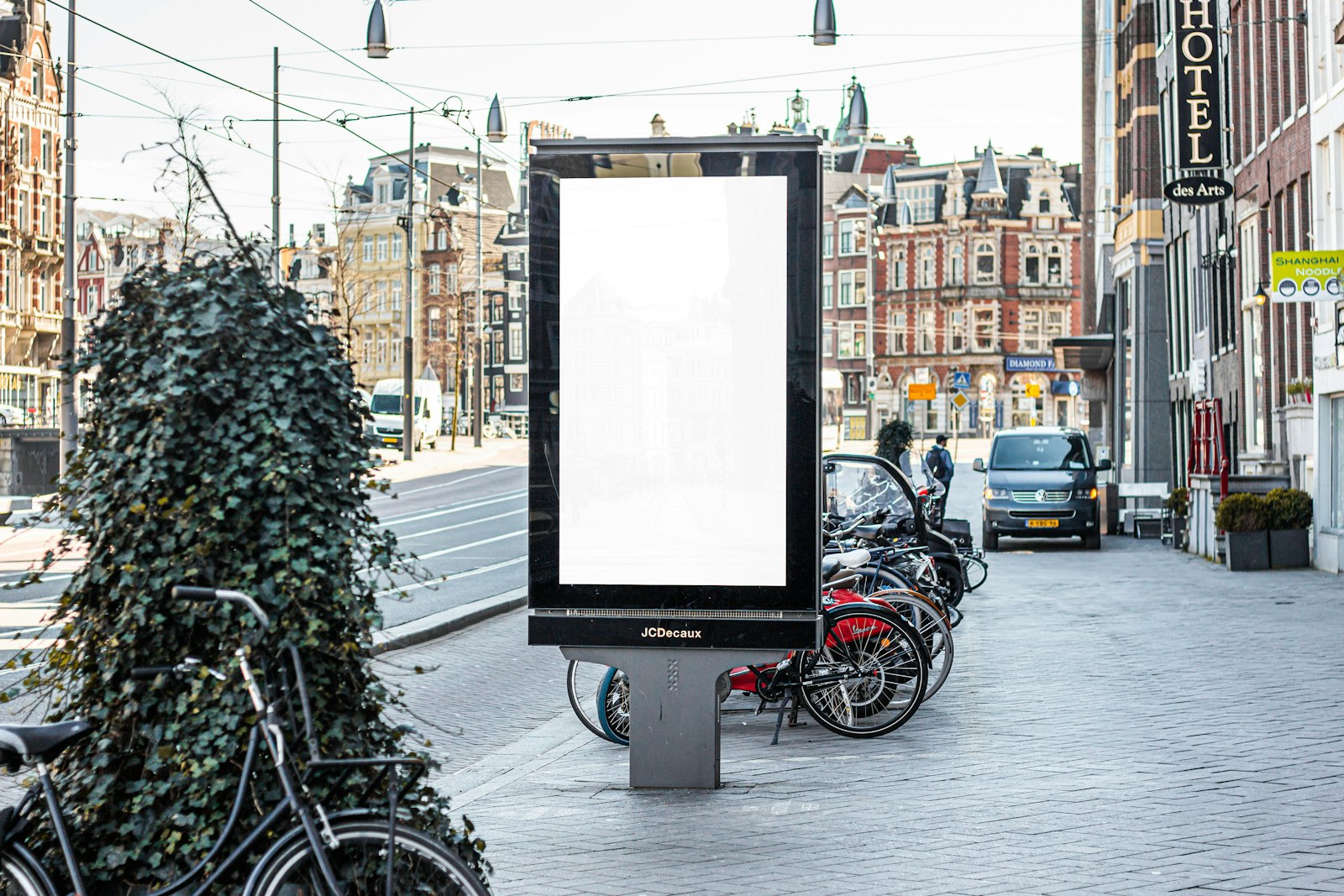
- Outdoor — Ring Road, Autostrad, October and New Cairo corridors; priced by site and by cycle
- Cinema — small but high-attention, useful for youth-skewed categories
ATL is bought in advance, it is hard to change mid-flight, and its effect is measured in recognition and recall rather than in clicks.
What counts as BTL
- Activations — branded experiences in malls, compounds, universities and venues
- Sampling — putting the product in someone’s hand, the fastest route to trial for FMCG
- Roadshows — a moving activation across cities or districts
- Events — launches, conferences, sponsorships
- POS and merchandising — the last metre before the purchase decision
The real difference: recognition versus trial
The mistake is treating these as two ways of doing the same thing. They solve different problems.
If people have never heard of you, BTL alone is expensive: every conversation starts from zero. If people know you but have not tried you, more outdoor will not fix it; you need the product in their hands.
Diagnose which problem you actually have before splitting the budget. Aided and unaided awareness answers the first; trial and repeat rate answers the second.
How the money behaves
ATL is dominated by media rates. The creative is a small share of the total; the buy is everything, and rates move with season and inventory.
BTL is dominated by people and permits. Staffing, venue and mall approvals, booth production and logistics are most of the cost, and they scale linearly with days and locations. This is why serious BTL quotes are itemised per location per day.
Neither is priced as a monthly retainer, which is why we quote ATL and BTL per brief.
Splitting a launch budget
As a starting frame, not a rule:
- New brand, unknown — weight toward ATL and digital reach early, then bring BTL in once recognition exists to convert into trial
- Known brand, low trial — weight toward BTL and sampling, keep a light ATL presence for reassurance
- Regional or seasonal push — outdoor in the specific corridors plus activations in the catchment of those sites, so the two reinforce each other
Make the two feed each other
The cheapest win in an integrated campaign is content. An activation day produces footage, faces and reactions. If a production crew is on site, that material is in your digital campaign the same week instead of six weeks later, and the digital campaign is cheaper because it has authentic assets. If your ATL, BTL and digital sit with three separate suppliers, this almost never happens.
How to measure each
ATL: reach and frequency from the plan, plus brand search volume and direct traffic lift during the flight. If nobody is searching your name after a month of outdoor, the creative is the problem, not the media.
BTL: footfall, samples distributed, data captured, promo code redemption, and content produced. All of it should be in a post-campaign report per location.
Frequently asked questions
Is BTL cheaper than ATL?
Per person reached, no. BTL costs much more per contact; the contact is simply worth more because it involves trial. Compare cost per trial against cost per thousand impressions and the two stop looking comparable.
Do we need permits for a mall activation?
Yes. Mall or venue approval, and depending on the format, local authority permits. Lead times matter more than the fees; start weeks ahead of the date you want.
Can a small brand do ATL?
Radio and targeted outdoor in a single corridor are within reach of a mid-size budget. National TV usually is not, and a thin TV buy is worse than none.
Who should run it?
One team, if you can. Split suppliers means the billboard, the booth and the ad look like three different brands.
Working on a launch? Send us the brief and you get an itemised quote with media, production, staffing, permits and agency fee shown separately.

No Comments